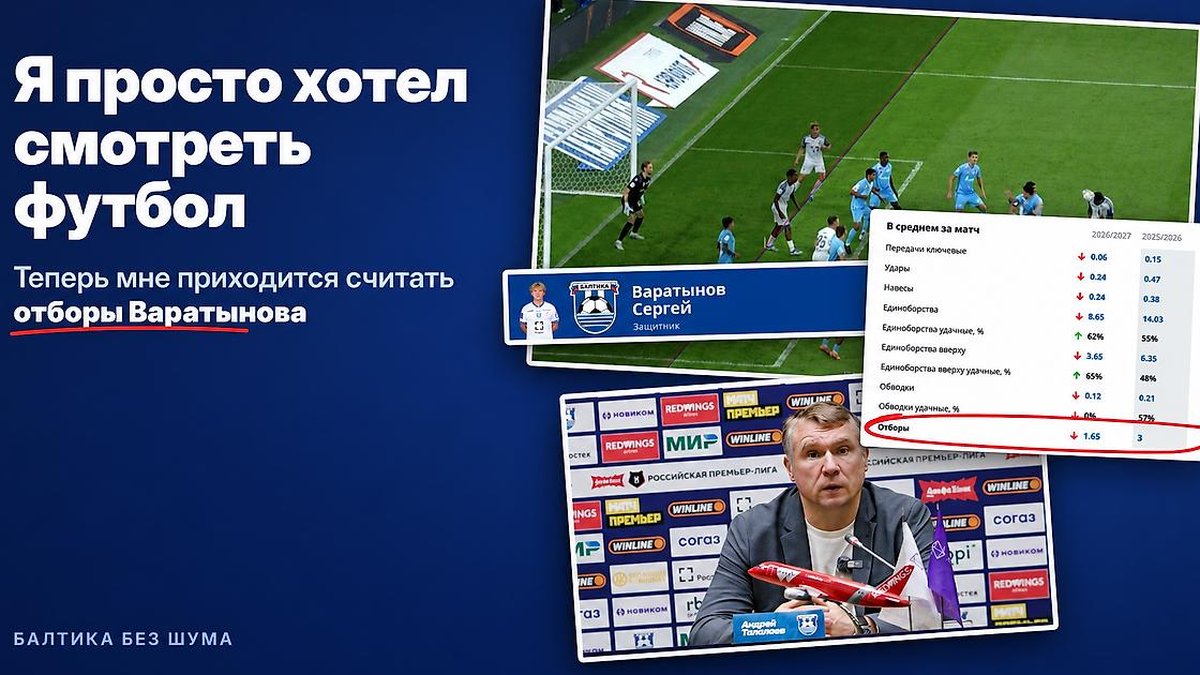
Yesterday I was comparing the number of tackles made by Baltika centre-back Sergey Varatynov across different seasons.
First I studied the Premier League numbers. Then those from the greatest league in the world — the Russian First League, naturally. Then the Russian Cup. At some point I had to work out which cup matches were already included in the totals, just so I wouldn't count them twice.
Then I started wondering whether the entire team was making fewer tackles too.
I don't know which is worse: that I spent a chunk of my day doing this, or that I genuinely found it interesting.
On Sunday, Baltika beat Akron 2–1. A normal fan would have celebrated, discussed the goals and got on with their life. I went looking at tackling statistics. Even though Varatynov hadn't played.
And that raised a question: at what point did watching football become so complicated?
Things used to be simpler
Once upon a time, you could discuss almost any football match with three sentences:
"We should have scored."
"What on earth is that referee blowing for?" — and that's the polite version.
"Why hasn't the manager taken that player off / brought that player on?"
You could say them in any order. They worked for practically any match, from the World Cup to your local amateur league.
You watched football, celebrated a win, got angry about a defeat and went home. At most, you'd have an argument with a colleague or a friend the next day about whether it was a penalty. No further research required.
Not anymore.
Try telling a group of football people that a team wasn't running enough. You'll immediately be informed that they were maintaining a compact shape, closing passing lanes, managing space and deliberately choosing not to press high.
And suddenly you find yourself thinking: maybe they weren't just standing around. Maybe they were standing around correctly? 🙄
Sometimes you can only tell the difference after the press conference.
Take Baltika's recent game against Akron. In the first half, Kaliningrad's side pressed less aggressively than usual. There were plenty of possible explanations: fatigue, poor fitness, problems with the game plan.
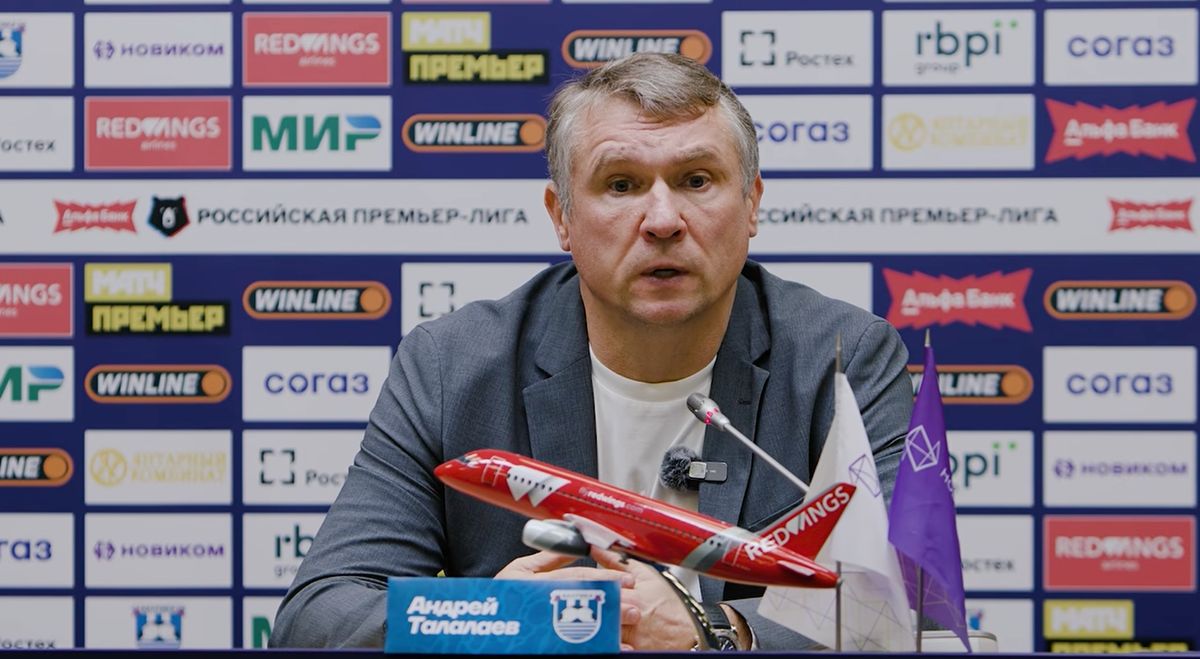
Afterwards, however, Andrey Talalaev explained that his team had deliberately conserved energy. They couldn't sustain an intense press for both halves, so the plan was to step things up after the interval.
They did. They won. Wonderful.
Apparently I should have been saving my energy in the first half too. No worrying, no snap judgements, no nervous pacing. Save those emotional reserves for the second period. 🤭
Now I keep wondering: when a team plays badly for the opening 45 minutes, are they really playing badly, or do I just not understand the plan well enough? 🙄
Impossible to know without the press conference.
VAR took away our right to simply hate the referee
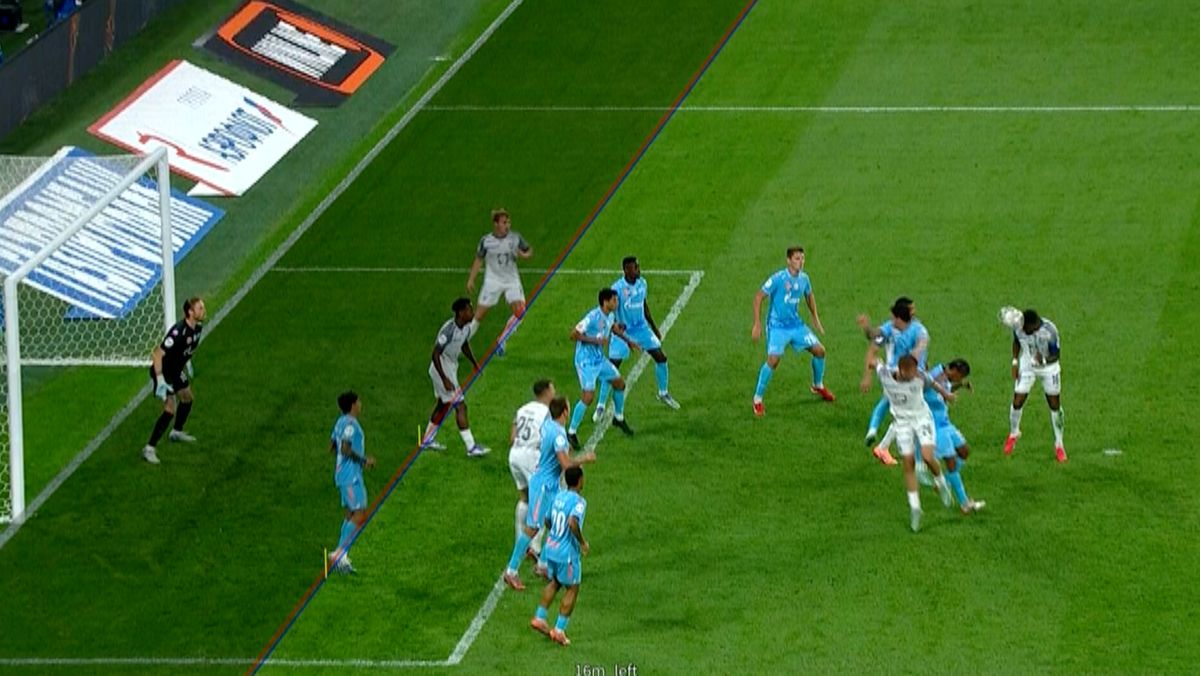
Refereeing is another story.
It all used to be perfectly straightforward. If a referee awarded a penalty against us, he was wrong. If he refused to award one against our opponents, he was even more wrong.
These days that attitude is considered unprofessional.
First you must establish the nature of the contact, its intensity, the position of the arms, the direction of the player's movement and whether the incident fits the current interpretation of the rules. Then you watch four different camera angles. Then you listen to a former referee. Then you argue with someone who's found a similar incident in La Liga. And finally you wait for the refereeing expert commission's decision.
By then a week may have passed. Both teams might have played another match, while the argument about the previous penalty is still raging.
The funny part is that, even after all the explanations, the number of people who disagree hardly changes.
Before, someone would write: "The ref is blind."
Now it's: "With all due respect to the experts, that interpretation is contrary to the spirit of the game." 😎
You have to admit: that's progress.
Every comment section has its own head coach
And then there are football comments.
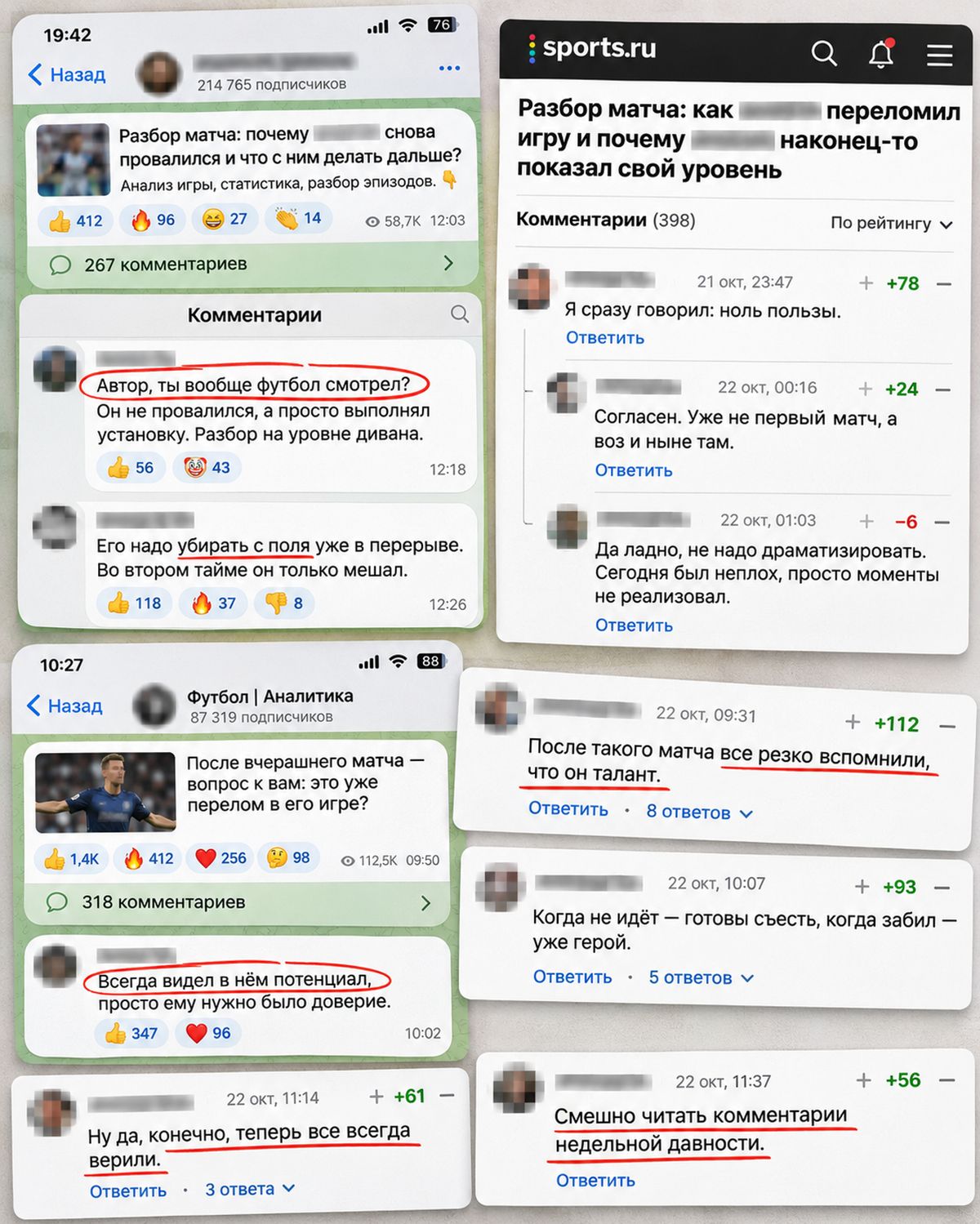
Judging by them, Russia is home to an extraordinary number of highly qualified coaches who, for some reason, still don't work at professional clubs. Everybody knows which formation should have been used, who should have started and exactly when the substitutions should have been made.
They're particularly good at substitutions once the match is over.
These experts have an impressive quality: they're almost never wrong. Which makes sense. Decisions are much easier when you already know their consequences.
In the 30th minute, they demand that a player be taken off immediately.
In the 65th, he scores.
By the 70th, the same people are explaining that the manager was absolutely right to keep faith in him. The truly gifted opinion-changers had always seen his potential.
I'm no better, to be fair. 🤣
I regularly rate players, analyse incidents and confidently announce who was terrible and who was among the best. Then I open the statistics. Sometimes it turns out that the player I wanted to criticise did more useful things than the one I was ready to praise.
At that point a football analyst has two options.
One: admit the first impression was wrong.
Two: find another statistic that will finally prove the first impression was right.
I won't pretend option two isn't occasionally very tempting. 😀
Football fans don't get to relax anymore
The strangest thing is that nobody makes us do all this extra work. We volunteer.
At first, a person simply watches football. Then they subscribe to a few channels. Next they start reading injury updates, transfer rumours and training reports. Gradually they learn the statistics, figure out tactical formations and realise they can no longer watch a match in peace without extra data.
Then one day they discover they're running their own channel, writing articles and discussing football — and, before they know it, making video podcasts too.
I, for instance, now have a whole website about Baltika, complete with articles, games and collectible stickers. Have a look.
There was a time when all I wanted was to watch eleven people in blue and white trying to score a goal. Now I analyse their movements, study the club's history, collect old match programmes and occasionally worry, quite seriously, that an article doesn't explain what happened on the pitch in enough detail.
It's especially rewarding when, after several hours of work, somebody leaves a comment: "Author, did you even watch the game?"
I watched it.
Then I went to the press conference.
Then I checked the statistics.
Then I watched the match again.
And now I'm explaining that I watched it.
I think that's what a hobby looks like when it quietly turns into a second job. Only without the salary, and with commenters instead of a boss.
And the worst thing is that I love it
Still, I have no intention of stopping.
Because yesterday, when Belikov scored the winner against Akron, there were a few seconds when I couldn't have cared less about any of those tables. I wasn't thinking about the quality of our ball progression, who had won more duels or whether the result matched the expected-goals numbers.
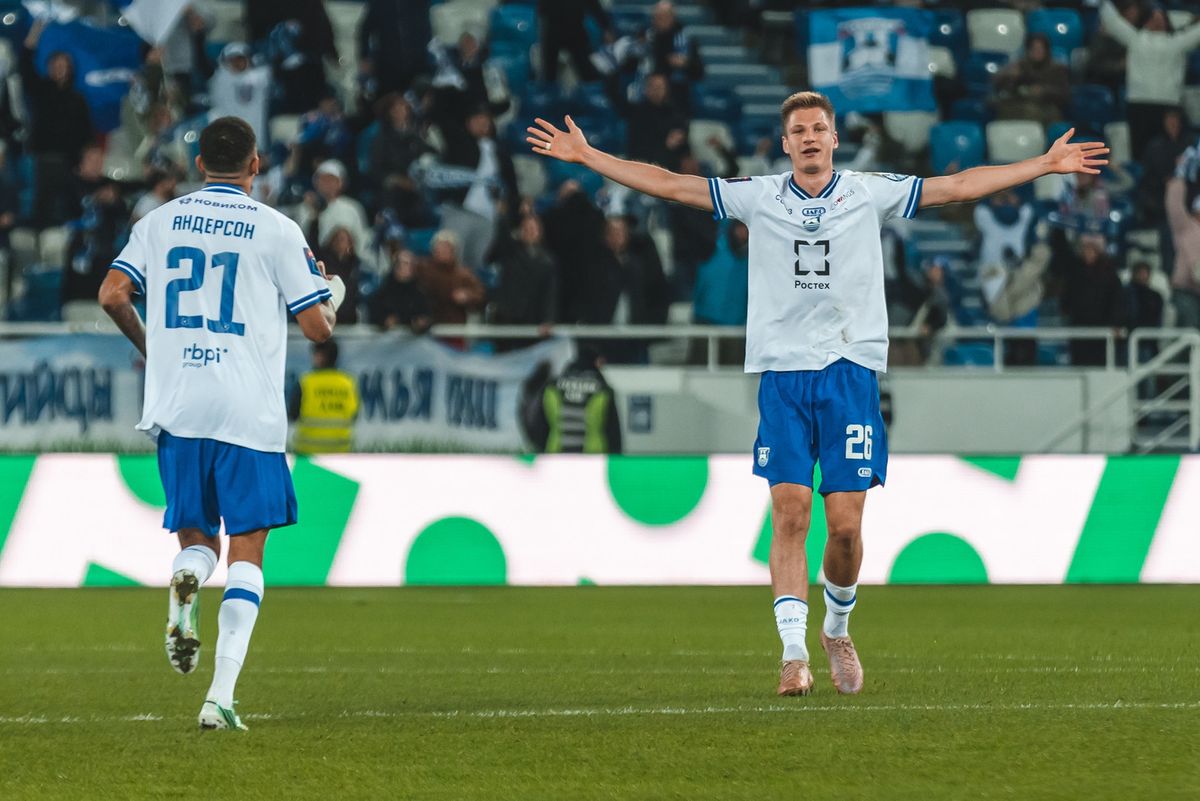
I was simply happy. Just like I was years ago. No conditions attached.
Then the final whistle went.
I watched Talalaev's press conference. I started looking into why the coach had made certain decisions. I discovered that, in his time on the pitch, Moufi had completed all four of his passes into the penalty area.
And I got an absurd amount of pleasure from that too.
I suppose that's what a real football addiction looks like. Your team doesn't even have to win. After a defeat, there's usually more work to do.
If there are still people among the readers who simply watch a football match and then calmly get on with their lives, please tell me how you manage it.
Preferably in detail, with concrete examples and statistical evidence.
And be sure to specify whether your figures include Russian Cup matches.
For the record, I did finish counting. Baltika are making roughly the same number of tackles, but Varatynov is making fewer.
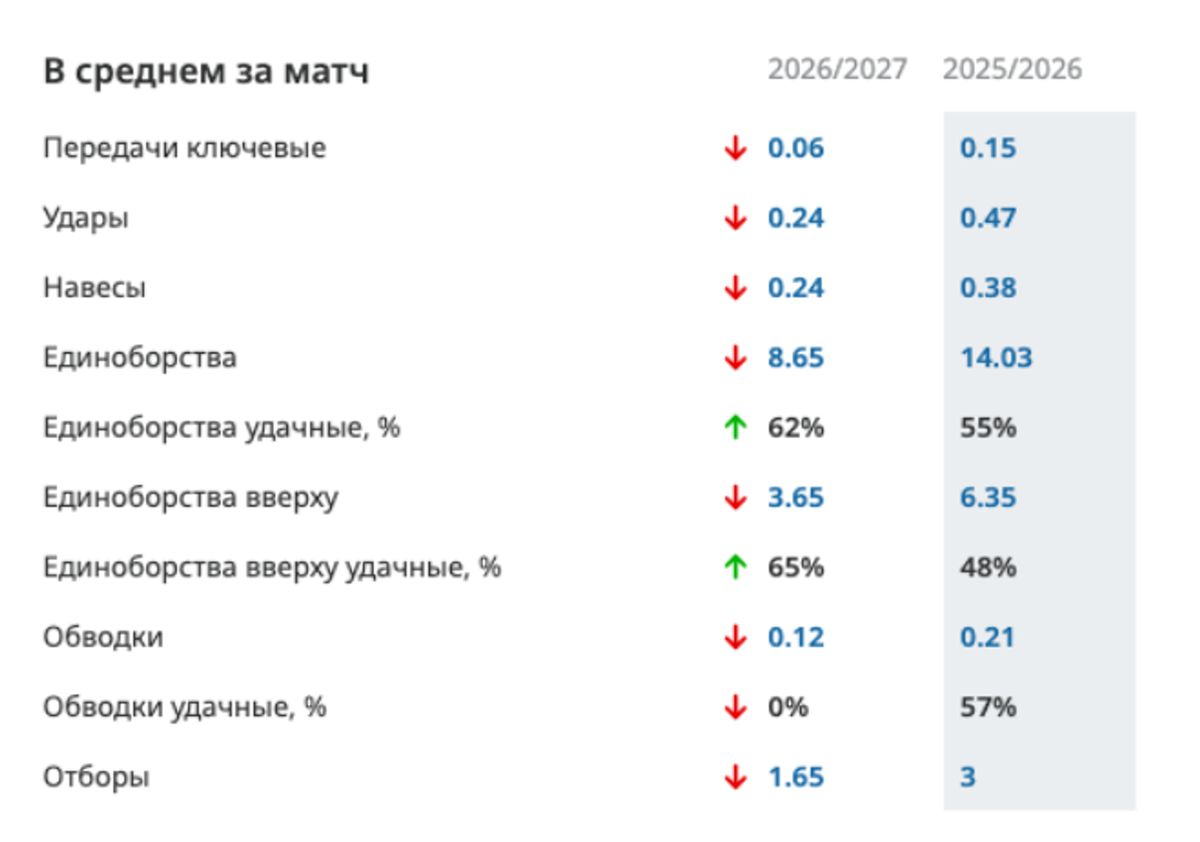
Now I'm trying to work out what that means. I suspect I won't be able to tell without a press conference. 😁
Subscribe: https://t.me/BalticaB


