On 9 October Baltika announced their parting with Armen Margaryan. In almost three years under him the club won the First League, took Cup silver, posted their best-ever result in the RPL and sold players to Spartak and Zenit for record fees by their own standards.
Who replaces him is an important question, but not the main one. The main one is what part of that work belongs to the club and what leaves with the man.
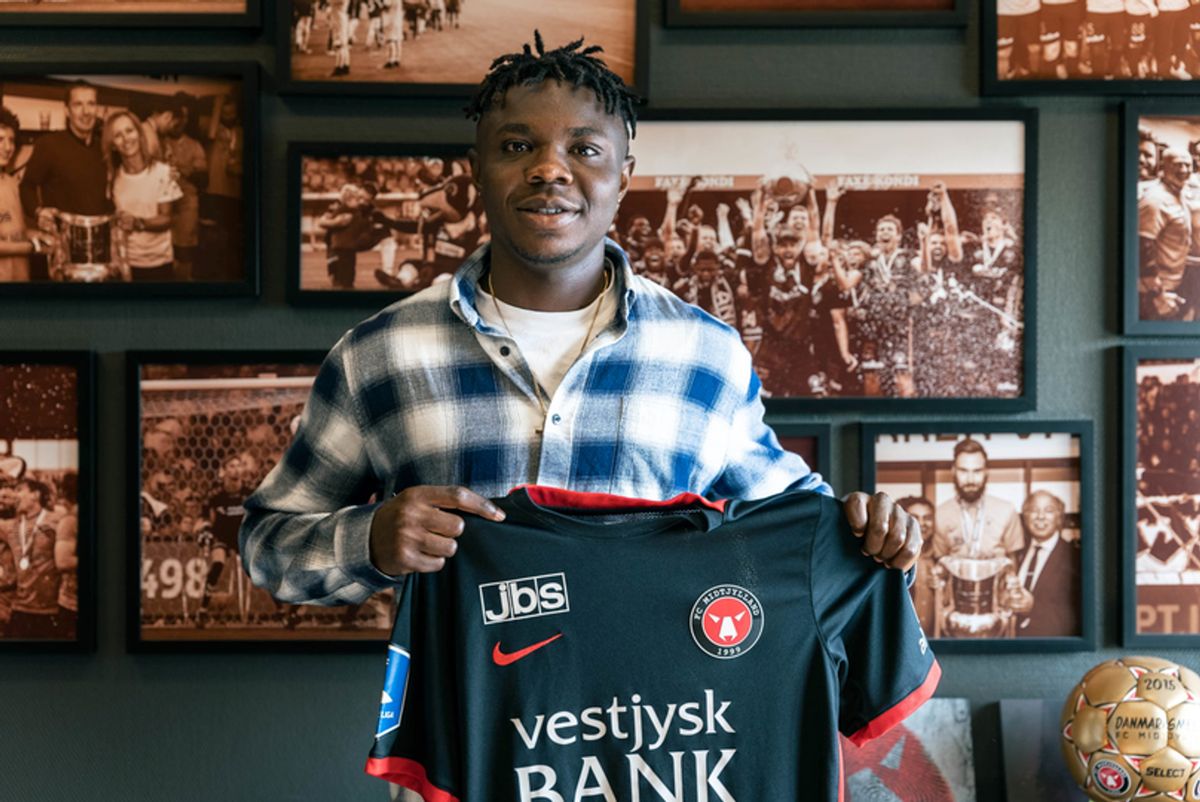
In Denmark there is a club that recently passed a similar test. The owner who built its model left three years ago. Since then Midtjylland have won the league, the Cup and had the most lucrative transfer window in their history.
A €22 million dinner
In the summer of 2023, according to The Guardian, Milan, Atalanta and RB Leipzig were watching 19-year-old Chilean Darío Osorio. Midtjylland won the race. And one of the first problems for the future Premier League player turned out to be not tactics or temperament, but white bread for dinner.
Osorio could not understand why his battery ran low by morning training. The club did not stop at "eat properly" advice — they rebuilt his diet and habits as methodically as his body shape when striking the ball.
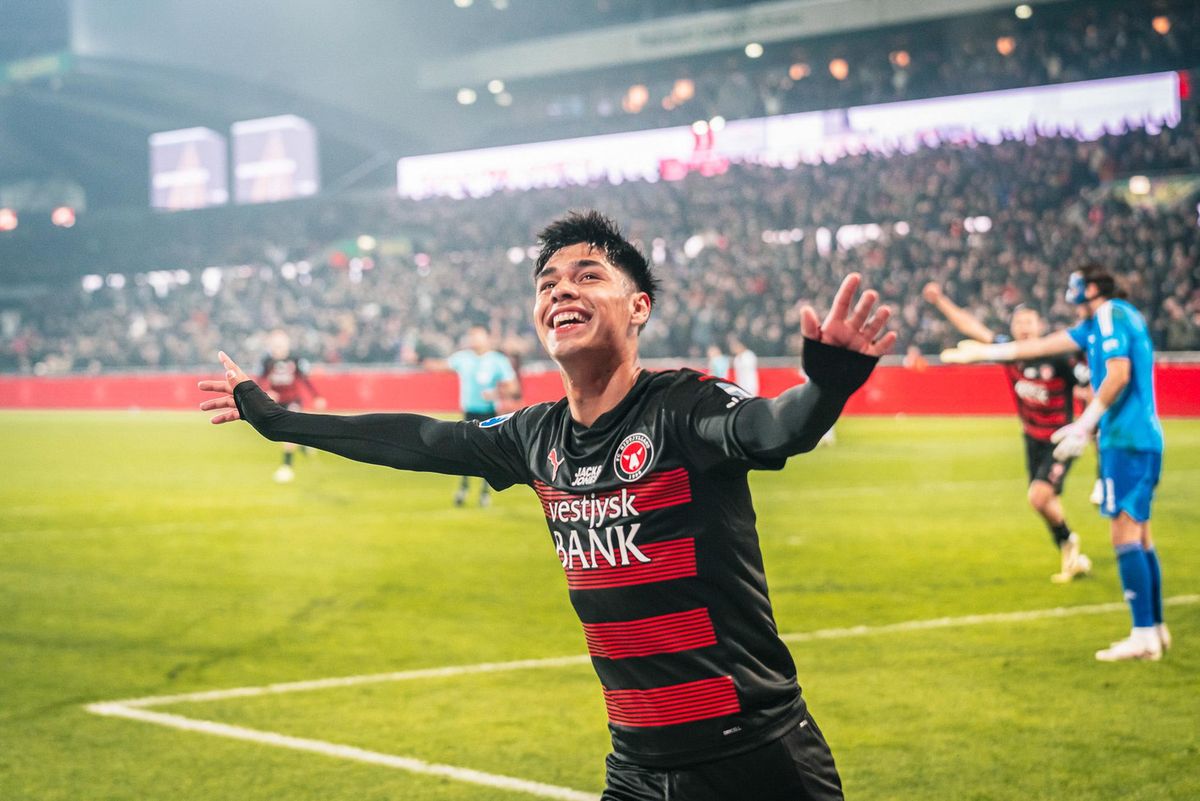
Three years later Crystal Palace took Osorio on loan with an obligation to buy: according to The Guardian, £22.3m plus up to £3.4m in bonuses. In total the British paper counted more than €200m in sales since 2018 — and that is before this summer, a record one for the club.
What the growth cost
Big headline totals say little about the quality of the work. What matters more is the gap between the price in and the price out. I put four players sold this summer into one table, using regulatory disclosures and specialist media.
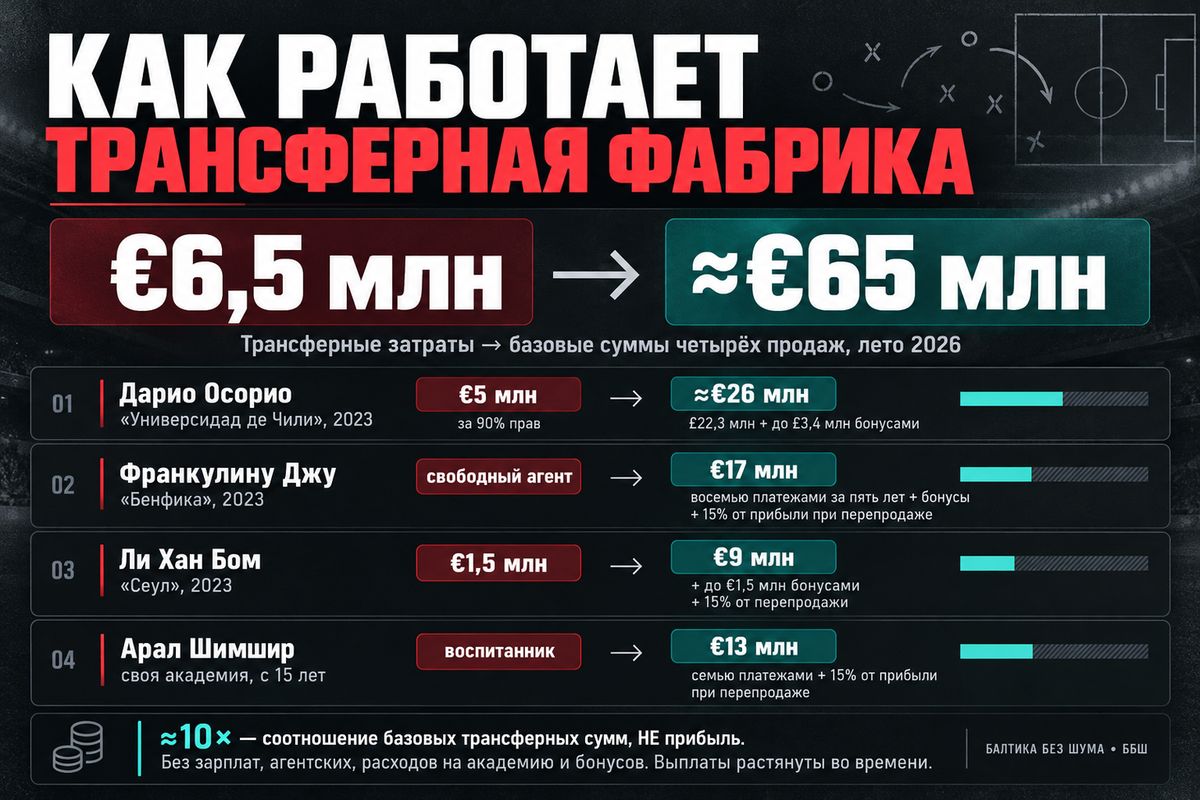
Buying three players plus one academy graduate cost about €6.5m. Base sale fees came to about €65m, roughly ten times more, and that is without bonuses and sell-on percentages.
A caveat straight away, so the figure does not mislead: this is the ratio of transfer income to initial transfer outlay, not a tenfold profit. It leaves out wages, agents' fees, the cost of developing Şimşir and Universidad's share of the Osorio resale. The money will arrive in instalments over several years, and Crystal Palace are due to complete the Osorio purchase next summer. And these are four success stories, not the club's whole transfer history.
The table has two layers that the overall totals hide.
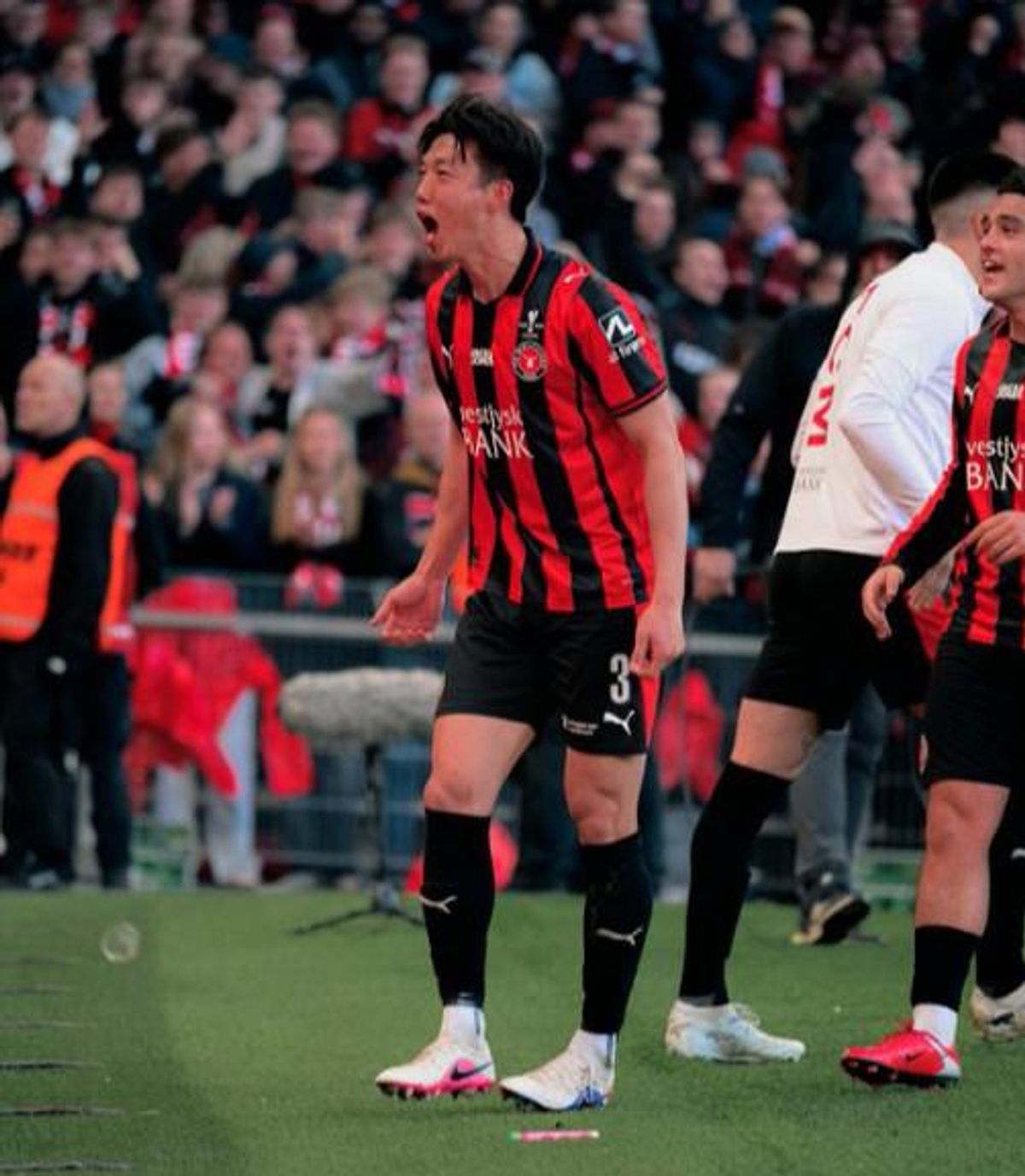
Growth can be slow. Lee Han-beom played just two matches in his first season in Denmark. The club did not get rid of him at the first opportunity — in 2025/26 the Korean became a regular, scored the winner in the Cup final against Copenhagen, went to the World Cup and left for six times what he arrived for, seven with bonuses.
Decisions have a price. In the summer of 2025, according to Denmark's Tipsbladet, Midtjylland turned down an offer from Saudi Arabia of about €30m for Franculino. A year later, after an injury that kept the striker out for most of the spring, the club sold him for a €17m fixed fee plus bonuses. Did the Danes lose money? Possibly. But between the two offers came a season in which Franculino brought the team goals and points, and the club won the Cup. The cost of such a decision cannot be measured by the difference between two numbers.
Benham left, the processes stayed
Today's Midtjylland began in 2014, when a controlling stake was bought by Matthew Benham — an English entrepreneur from the betting world and the owner of Brentford. The club was in debt, and Benham's idea fitted into one sentence: if you have less money, your decisions have to be better.
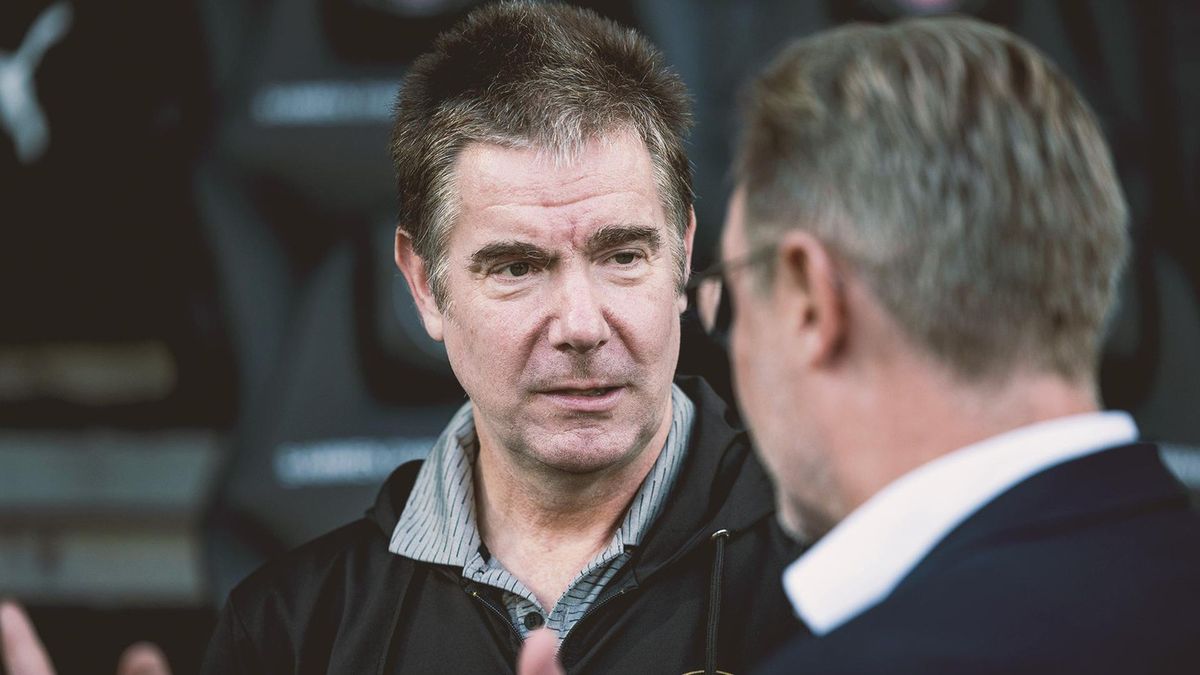
Analytics came into recruitment, player evaluation and match preparation, and set pieces got special attention — one part of football that can be broken down in detail and rehearsed again and again. Results followed: titles in 2015, 2018 and 2020, two Danish Cups, regular European group stages.
The most valuable part is what Benham himself says about data. In an interview with Brentford's website he insisted that the role of statistics is overrated, while the quality of management decisions is underrated. Anyone can buy software full of numbers. Asking it the right question, explaining the answer to the coach and convincing the board — that is another matter.
In August 2023 Benham sold the club to HEARTLAND, the group of Danish billionaire Anders Holch Povlsen. Access to SmartOdds analytics remained, and so did the people and processes. The change of owner did not stop their work: in 2024 the club became champions, in 2026 they won the Cup and had a record transfer window. Three years is not eternity, and it is too early to speak of full stability. But the model has passed its first test.
Academy and training conditions first. Then a base for a new generation
It is easy to draw a neat but wrong conclusion here: that Midtjylland first learned to sell footballers while training wherever they could, and only then built proper pitches with transfer money. No, it went the other way.
Back in 2004 the Danes set up one of the country's first full-scale football academies. Young players lived, studied and trained in Ikast. At first the premises were modest — one of the founders recalled that the academy started under the stand of the local stadium. But it was organised football education, not a search for a suitable pitch from town to town. In that same 2004 the club got MCH Arena, its modern home stadium.
So by the time Benham arrived in 2014 the club already had an academy, training pitches and a sporting environment. What is more, in 2022 the new base project was described as an expansion of the existing complex in Ikast — next to the sports school, the Stadome indoor pitch and the existing first-team pitches. Dream99 did not appear in place of missing infrastructure, but as its next stage.
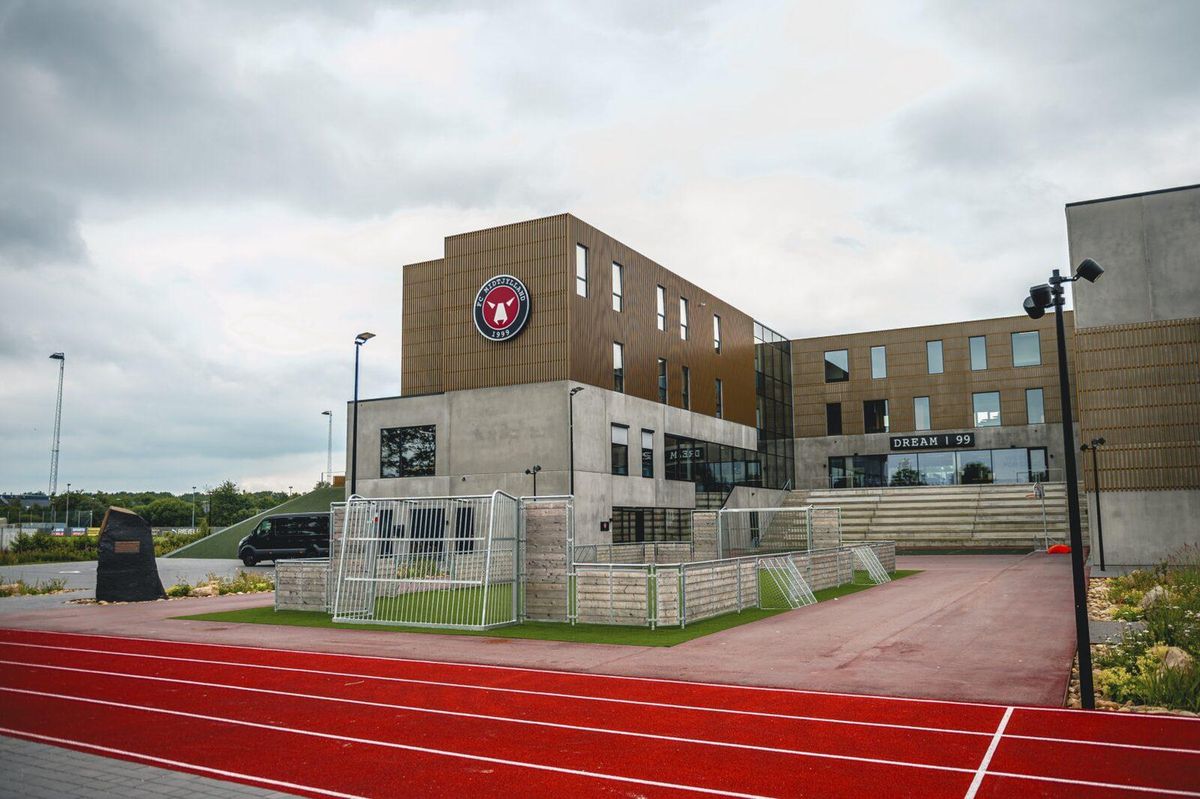
The first title came in 2015. The modern Dream99 complex only opened in August 2023, bringing the first team, the academy and the club school together. And in September 2026 two heated hybrid pitches were added at a cost, according to the Danish press, of about DKK 25m (roughly €3.35m). The club itself pointed out that the new pitches replace existing grass ones.
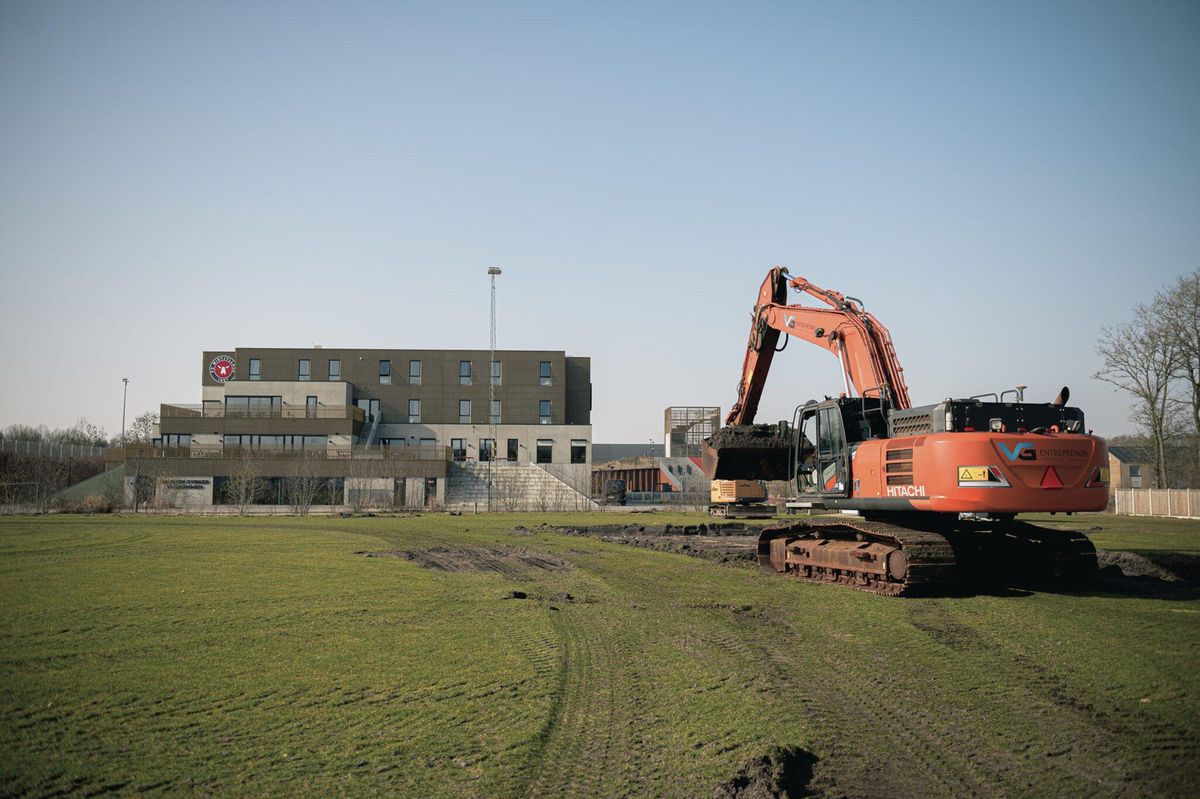
Were the Danes behind their rivals on conditions? Copenhagen, for example, have had the Nummer 10 training centre with three pitches since 2006. But that does not prove Midtjylland's base was worse: such a conclusion would need comparable data on surfaces, pitch availability and training conditions in those years.
So the Danish lesson for Baltika is not that you can grow players on "vegetable patches" for years. Quite the opposite: Midtjylland created a stable environment for developing footballers early, learned to use it efficiently and then kept investing in it. The new base came after the first victories and big sales, but the foundation existed long before them.
Compulsory English
The most unexpected element. Technical director Kristian Kjær told The Guardian that every foreigner in the squad studies English at least three times a week. The dressing room has 17 nationalities from five continents, and within six months a newcomer must understand the language well enough for football work.
It sounds like a convenient legend, so I went to the club website. On 29 February 2024 Midtjylland posted a vacancy for an English teacher for first-team foreigners: about ten hours a week, lessons between training sessions at Dream99, a focus on football vocabulary, Spanish an advantage.
Ten teacher-hours a week against a €26m transfer fee for one foreign player — a contrast Benham would appreciate. Of course, it does not mean the club earned those millions because of the lessons. But a Chilean who learned to speak English in Denmark arrives in London ready to talk to his new coach. The club prepares a player not only for itself but for the next buyer — and counts on that raising his value.
A school for scouts and a road from Nigeria
To sell high, you first have to find. In December 2023 Midtjylland opened enrolment for their own scouting school: 175 applications, 20 selected, six months of theory, practice and study of the club's criteria.
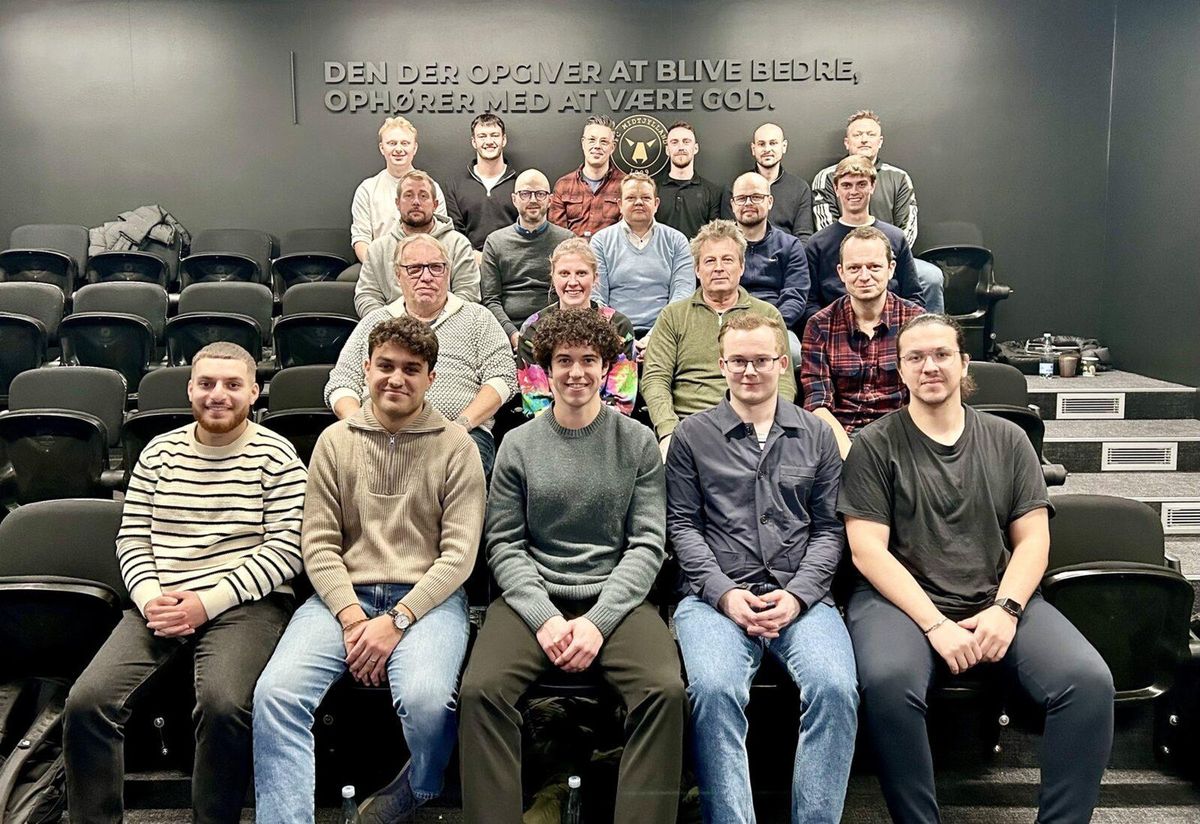
The point is clear to anyone who has read scouting reports. One scout overrates pace, another is in love with tall centre-backs, a third sees a genius in every dribbler. Without shared criteria a club has not a system but a set of tastes. And when one strong person leaves, his taste leaves with him.
The supply channel was also built over years. The Danes have worked with the Nigerian academy FC Ebedei since 2003 — Paul Onuachu, Frank Onyeka and Raphael Onyedika came to Europe through it. In 2023 the owners bought Portugal's Mafra as an intermediate step: Nigerian Stanley Iheanacho spent a season in Midtjylland's U19s, two seasons of senior football at Mafra (65 matches, 17 goals) and this summer returned to the first team. First senior matches, then a place at a club playing in Europe.
Why it cannot be copied
Only the successes are visible. Multi-million sales are in plain sight; failed signings and endless loans are not. A full picture of the costs does not exist in the public domain, and my table is also a slice of the best cases.
This has long ceased to be a poor club. A rich owner, infrastructure, an international network, a reputation as a springboard. This summer the Danes themselves paid about €7.3m for David Martínez from LAFC — according to The Guardian, a club record.
Sales hit the squad. Midtjylland finished last season second, behind AGF. A brilliant window and a weakened team can easily coexist in one summer.
Three principles that do not need the Champions League
Russian clubs are out of European competition in 2026/27 too: players cannot be shown to European buyers on the continental stage, and restrictions complicate some deals. The Danish scheme cannot be transferred mechanically. But three things work in a closed market as well.
Judge recruitment by growth, not price. A player bought for 2m and sold for 3 is formally a plus. Another, bought for the same 2, brought points for three seasons and left for 8 — that is where the club really created value. Lee Han-beom at 1.5 in and 9 out belongs in the second category.
Buy for a role and map the route in advance. Not "a fast winger" but a set of specific qualities: what is already there, what can be developed, what will remain a ceiling. If a 20-year-old is not playing, the club must understand why: he needs a loan, physical work, a different position — or the signing was a mistake.
Invest in the people around the player. Language, nutrition, recovery, everyday life — and your own scouts and analysts. A strong specialist can leave. The criteria, the base and the processes must stay.
What this means for Baltika
In almost three years in Kaliningrad there were visible signs of a similar approach. Vladislav Saus left for Spartak (about 350 million roubles, according to Ivan Karpov), Andrade for Zenit, and the club statement separately mentions first national-team call-ups.
The best illustration is Ivan Belikov. He was considered for Baltika-2, but was already too old for it, and in the recruitment team's view he was not good enough for the first team. Margaryan later honestly admitted to Sport24: "I did not believe he would grow so much." The same story as Osorio's dinner or Lee's two matches in his first season: value is created not at the moment of signing but afterwards.
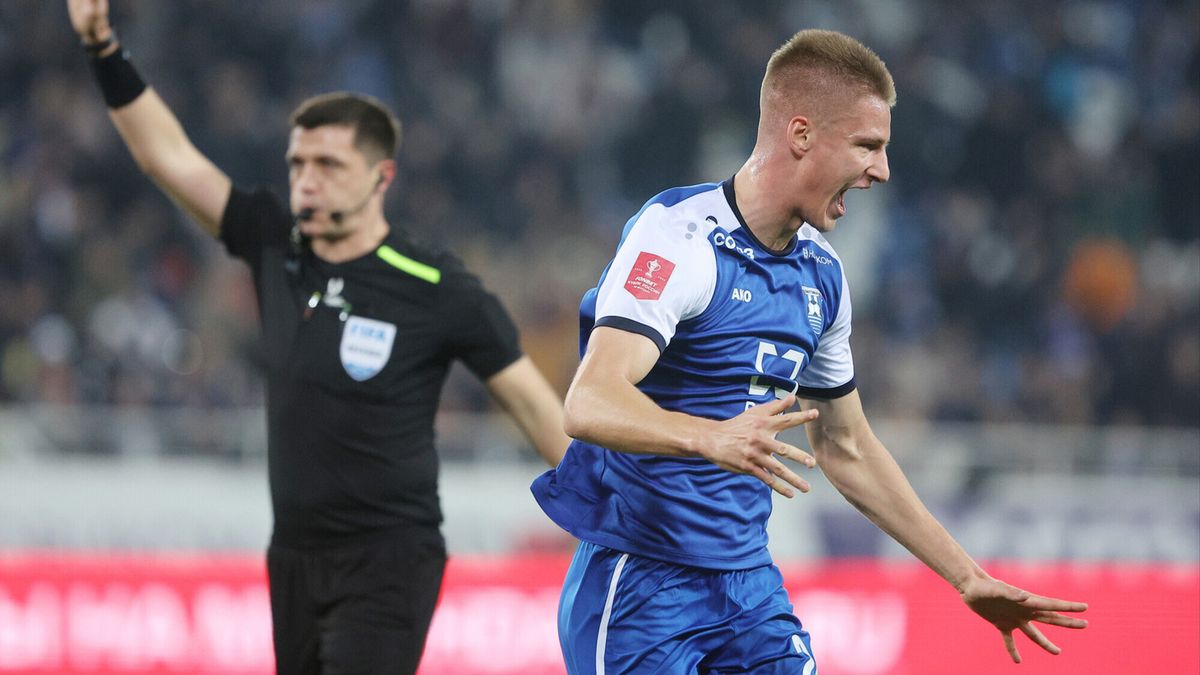
But a few successful deals are not yet a model. The question is who that work belonged to. After Benham left, Midtjylland kept the analytics, the scouting school, the Nigerian academy and the selection criteria. What Baltika keeps — a database, a scouting network, clear criteria, or one person's experience and address book — cannot be seen from outside. The answer will show not in statements but in decisions.
What to watch in the coming months:
- Who comes and when. At the time of writing the club had not named a successor. The longer the pause before the winter window, the less time to prepare.
- Whether the recruitment department stays. A sporting director can be replaced. If the scouts and analysts follow him out, the whole system will have to be rebuilt.
- Whether the new profile matches Talalaev. Buying for a role only works if the coach and the sporting director understand that role the same way.
- The winter window. The new person will be selling players he did not buy and looking for replacements for those whose value someone else created.
Baltika are currently seventh, with 12 points after ten rounds. Neither a failure nor a triumph — a normal starting point.
The Danes needed years for their system: more than twenty with the Nigerian academy, twelve with the statistical overhaul, less than three with the scouting school. Meanwhile in Herning another English lesson is starting. In Kaliningrad, the search is on for a person who has to prove that the last almost three years were the start of a system and not a lucky coincidence.

